How We Tripled Ad Spend While Maintaining ROAS
A Garden Supply Store's Growth Story
The owner's frustration
"We're doing okay with Shopping, but I know we're leaving money on the table. When I search for our products on Google, I see competitors' text ads everywhere - and we're nowhere to be found. How much business are we missing?"
The Client
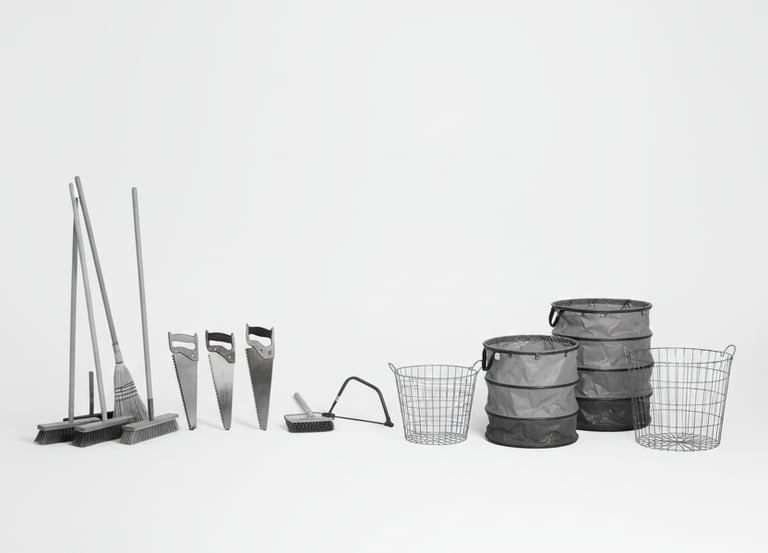
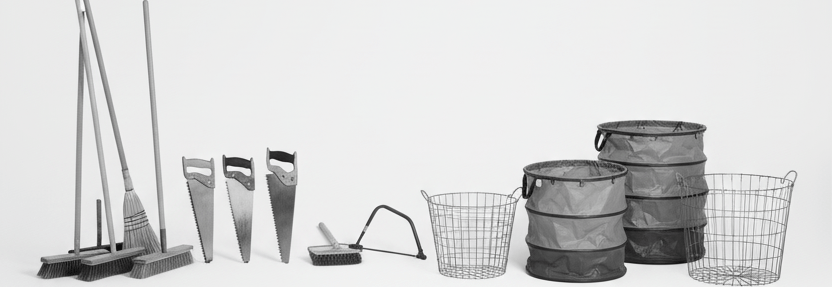
A well-established online garden supply store selling seeds, plants, soil, gardening tools, and outdoor equipment. Average order value: $125. Target customer: home gardeners and landscaping enthusiasts looking for quality supplies and expert guidance.
The situation
Monthly ad spend: $40,000
ROAS: 3.9x (solid, but not growing)
Only running Shopping campaigns - nothing else
Revenue had been flat for 8 months
Competitors were capturing search volume they were missing entirely
What their previous setup looked like
Basic Shopping campaigns only
No Performance Max campaigns
Generic feed with missing attributes
No seasonal bidding strategy
Campaign structure hadn't been updated in 18 months
What We Found (The Audit)
The audit revealed a massive opportunity hiding in plain sight:
1. Missing 60% of Search Volume
We analyzed their product catalog against actual search demand and found:
Shopping campaigns captured: Branded searches + some product searches (40% of total volume)
Search campaigns could capture: How-to searches, problem-solution searches, comparison searches (60% of volume)
Examples of missed searches:
"Best soil for tomatoes" (their competitor ranked #1, they weren't bidding)
"How to start a vegetable garden" (competitor captured, they missed)
"Organic pest control solutions" (competitor dominated, they were invisible)
"Raised garden bed setup" (competitor owned it)
The gap:
Their Shopping campaigns only showed products to people already searching for those specific products. They were completely missing the massive volume of people searching for solutions, advice, and broader category terms.
Result: Competitors were building relationships with customers at the research phase - they only showed up at the buying phase (if customers even got there).
2. No Full-Funnel Strategy
What we saw:
Top of funnel (awareness/research): Nothing
Middle of funnel (consideration): Nothing
Bottom of funnel (purchase intent): Shopping campaigns only
The problem:
Gardening is an information-heavy purchase journey. People research for weeks or months before buying. Their competitors were nurturing these researchers with content, guides, and helpful ads. They were completely absent from this conversation—then wondering why market share wasn't growing.
3. Weak Remarketing
What was set up:
Basic remarketing lists (site visitors)
Generic ads ("Come back and shop!")
No segmentation by behavior or product interest
What was missing:
No cart abandonment strategy
No content-based remarketing (blog readers, video viewers)
No cross-sell/upsell sequences
No YouTube remarketing (huge opportunity for visual, educational products)
Result:
They were losing 70-80% of interested visitors with no strategic re-engagement.
The Strategy
Phase 1: Search Campaign Expansion (Week 1-3)
What we did:
Built comprehensive Search campaigns across the entire customer journey:
Campaign 1: Solution-Based Search
Keywords: "how to start a garden," "best soil for vegetables," "organic pest control"
Ad copy: Educational, helpful (not just "buy now")
Landing pages: Guides + product recommendations
Goal: Capture researchers, build brand awareness
Campaign 2: Product Category Search
Keywords: "raised garden beds," "garden tool sets," "seed starter kits"
Ad copy: Product benefits, reviews, free shipping
Landing pages: Category pages optimized for conversion
Goal: Capture mid-funnel shoppers comparing options
Campaign 3: High-Intent Transactional
Keywords: "buy [product] online," "[product] near me," "[product] delivery"
Ad copy: Price, availability, fast shipping
Landing pages: Product pages, checkout optimization
Goal: Capture ready-to-buy customers
Immediate impact:
Within 3 weeks, Search campaigns were driving 40% incremental traffic that Shopping campaigns couldn't reach. These weren't people searching for products - they were searching for solutions, and we connected them to the right products.
Phase 2: Performance Max Launch (Week 4-5)
What we did:
Launched Performance Max campaigns with high-quality creative assets
Used their blog content, how-to guides, and product videos as signals
Structured asset groups by customer intent (new gardeners vs. experienced)
Set clear conversion goals and audience signals
Result:
Performance Max found additional pockets of demand across YouTube, Gmail, and Display that Shopping and Search weren't capturing. Added 25% incremental revenue without cannibalizing existing campaigns.
Phase 3: YouTube Remarketing Strategy (Week 6-8)
What we did:
Built a sophisticated remarketing funnel:
Tier 1: Cart Abandoners
YouTube video ads: "Forgot something? Here's 10% off to complete your order"
High urgency, direct product reminder
Conversion rate: 12% (industry average: 3-5%)
Tier 2: Product Page Visitors (No Purchase)
YouTube video ads: Educational content about the products they viewed
Example: Viewed raised garden bed → ad showing "How to set up your raised bed in 30 minutes"
Built trust, answered objections
Conversion rate: 8%
Tier 3: Blog/Content Readers
YouTube video ads: Related product recommendations based on content consumed
Example: Read "How to Start a Vegetable Garden" → ad for seed starter kits
Conversion rate: 6%
Why YouTube worked so well:
Gardening is visual. Showing products in use, demonstrating techniques, and providing value-first content built trust faster than text ads ever could.
Result:
YouTube remarketing alone drove $18k in additional monthly revenue by re-engaging visitors who would have otherwise been lost.
Phase 4: Optimization & Scale (Month 3-6)
What we did:
Weekly performance analysis and bid adjustments
Seasonal strategy alignment (spring planting season, fall cleanup)
Creative testing (which messaging resonated best)
Landing page optimization recommendations
Monthly strategy calls to align on growth priorities
Result:
Consistent, profitable scaling from $40k to $120k/month without ROAS degradation.
Results After 6 Months
+183%
3.9
ROAS:
3.9x → 3.9x
(Maintained efficiency while tripling spend
Ad Spend: $40,000/month → $120,000/month (+200% increase)
+$312K
Monthly Revenue from Google Ads:
$156,000 → $468,000
x2
Search Volume Captured:
40% → 85% (From missing most searches to dominating their category)
"I knew we were missing opportunities, but I had no idea how much. The search campaigns alone opened up an entirely new customer base - people we never would have reached with Shopping ads. And the YouTube remarketing? That was genius. We're now present throughout the entire customer journey, not just at the very end. Revenue tripled, and we're still profitable. This is exactly what we needed."
Anna Wolk


★★★★★
What made this work
Shopping campaigns alone aren't enough. They only capture people searching for specific products. Search campaigns capture the 60%+ of volume from people researching solutions, asking questions, and comparing options.
Full-funnel matters for complex purchase decisions. Gardening isn't impulse buying. People research, plan, and compare. Meeting them at every stage builds trust and captures more market share.
YouTube remarketing is massively underutilized. For visual, educational products like gardening supplies, showing how things work through video converts far better than static display ads.
You can scale dramatically while maintaining ROAS - if done strategically. The key is expanding reach (new campaigns, new channels) rather than just bidding higher on the same keywords.
Could This Work For Your Brand?
Flint Media
Google Ads for Home & Garden Brands
© 2025. All rights reserved.